Fit
Does the selected cut and size work for your riders?
Confirm the model and sizes available for trying on. A fit sample is not automatically approval of the final design.

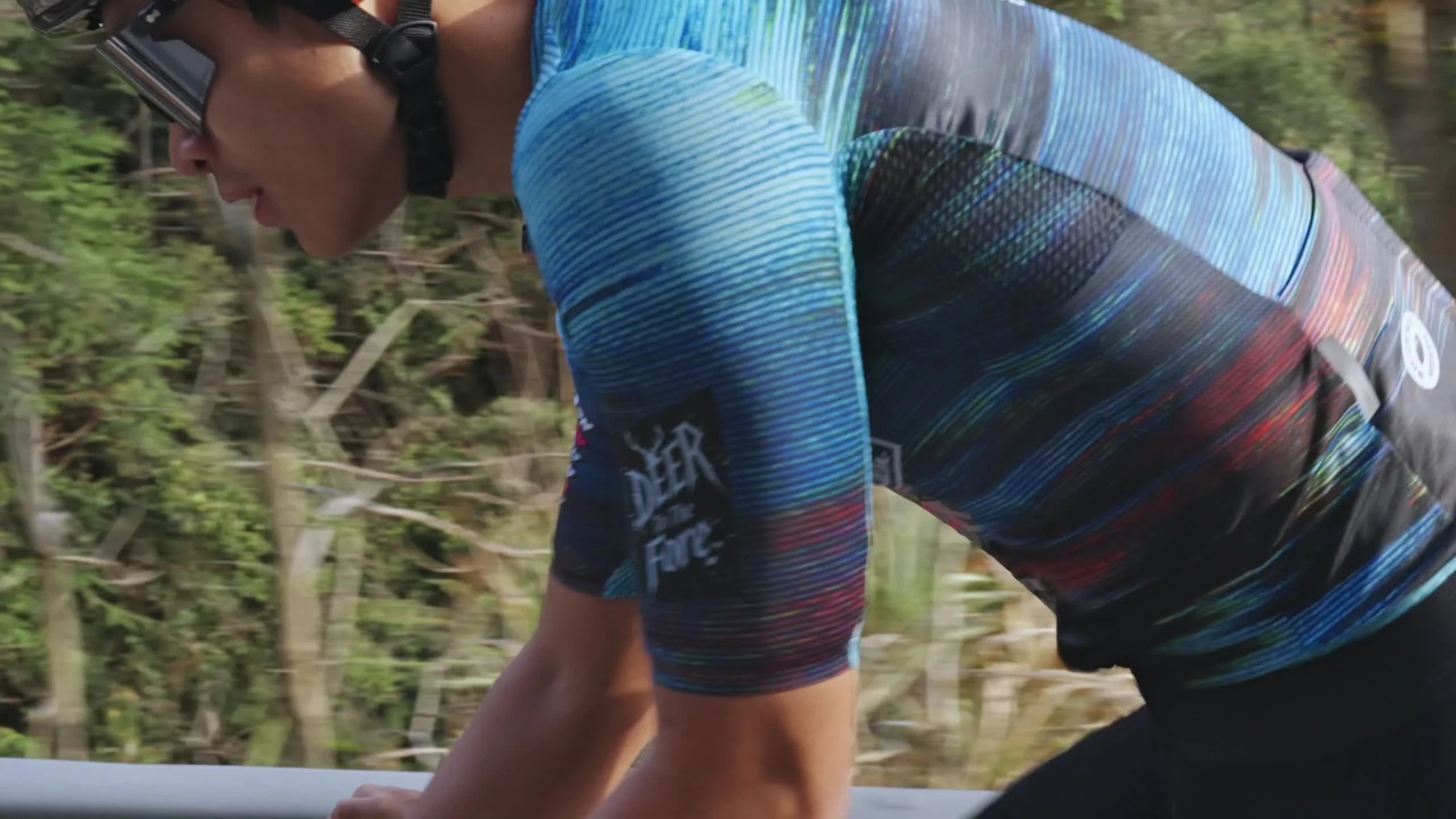
Use the chart for the exact garment you’re ordering. If fit is uncertain, ask about a sample before collecting the final size list.
Choose sizes by garment, cut and model.
Ask about samplesA size from another brand, or even another model, may fit differently. Use the selected product’s chart and its measurement instructions.
Race, club and endurance describe fit intent. They do not replace measurements. Check the available patterns for women, men and younger riders.
A fit sample answers a sizing question. It may not show your final fabric, color or artwork.
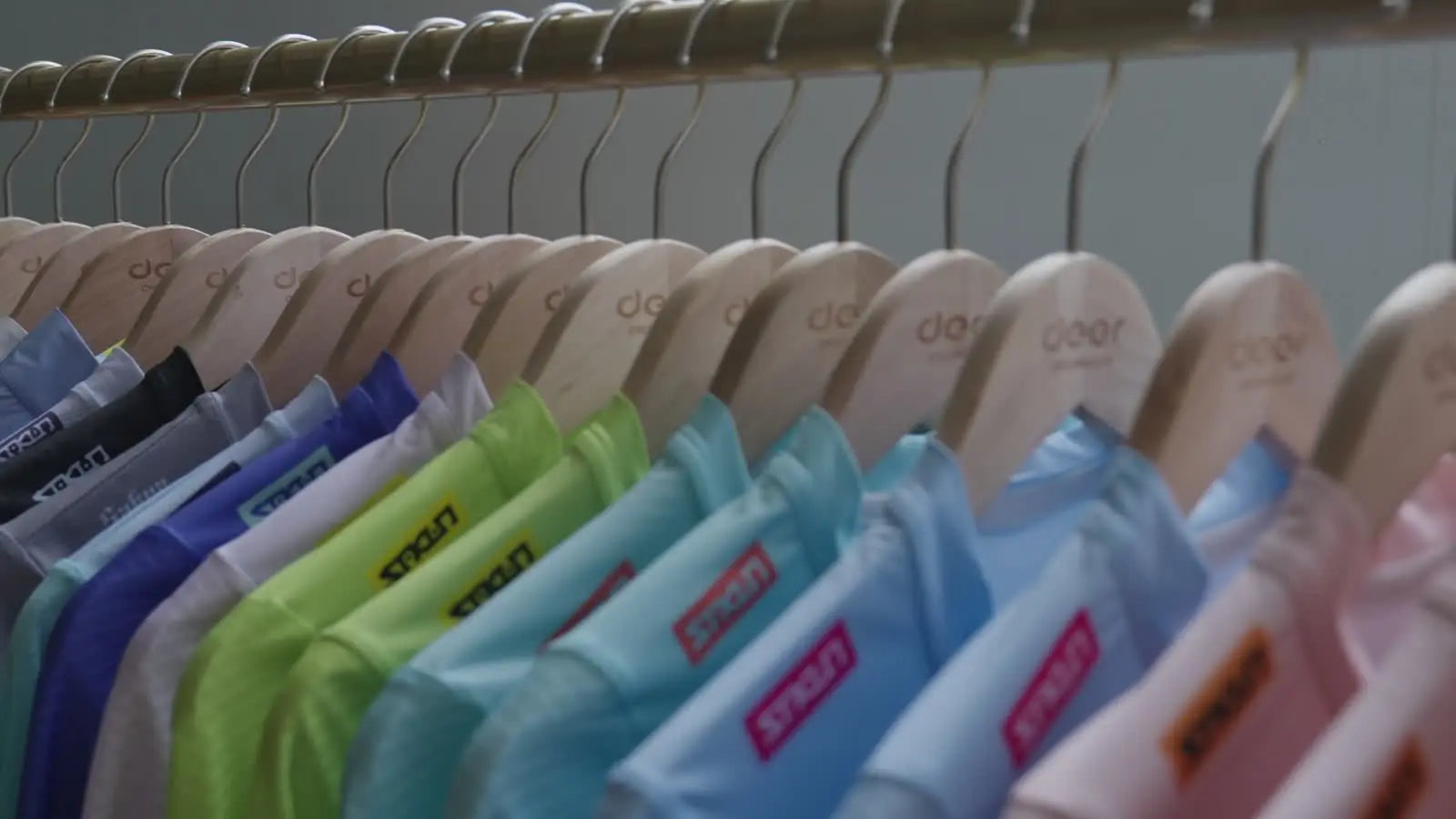
Ask for the sample that answers your open question. Availability, charges and timing need confirmation.
Does the selected cut and size work for your riders?
Confirm the model and sizes available for trying on. A fit sample is not automatically approval of the final design.
Do the material and color references meet the brief?
A fabric swatch does not establish garment fit. For test evidence, send the product and material references and ask which report applies.
Which final details need approval before the order proceeds?
Agree what the sample covers: garment specification, artwork, labels or other named details. Record any remaining differences.
Book the model and sizes before arranging the fitting. The free fit-sample loan lasts 14 days from delivery. Shipping and any security deposit are stated before dispatch; the deposit is refunded when samples are returned clean, undamaged and with tags.
Download the fitting worksheet (PDF)Request the models, cuts and sizes your team is considering.
Record each rider’s garment, model, cut, size and any fit notes. Keep jersey and bib-short choices separate.
Have the coordinator check the list before releasing the order. A late rider or size change may affect the minimum or schedule.
Fit samples are available on a free 14-day loan from delivery, subject to the requested model and sizes being available. Return them clean, undamaged and with tags; shipping is quoted before dispatch. Samples made with your artwork or specification are paid pre-production samples, with cost and timing agreed before work starts.
Separate a size change from a quality issue or a new-rider order. Send the project reference and requested change so DEER can check the available route. See custom-product return conditions.
Include the garment, sample purpose, destination and required date.