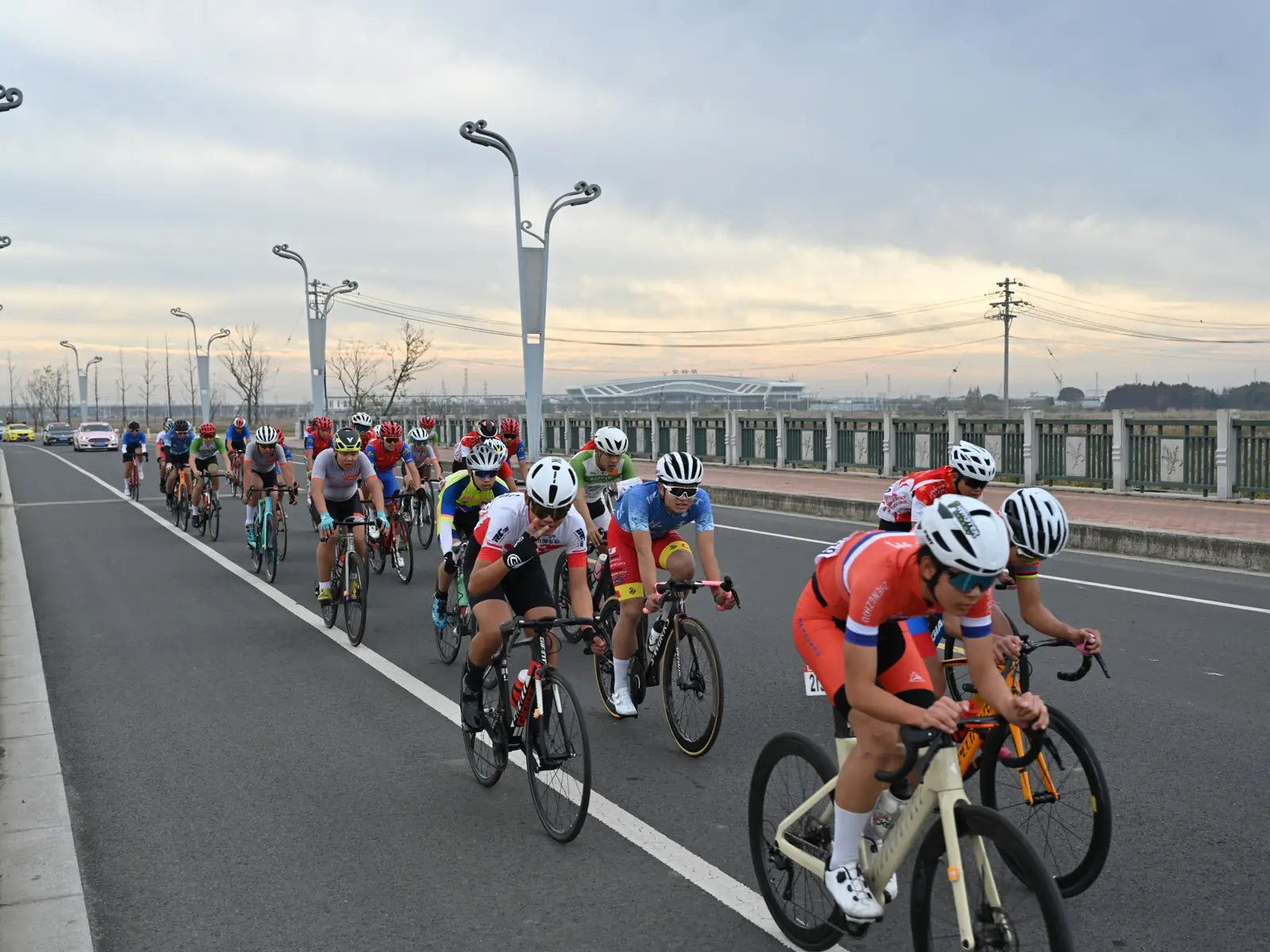
Illustrative team kit review scene with cycling garments, fabric swatches and construction tools

Teams & clubs

Custom Team Kits

Coordinate garments, artwork, rider sizing, ordering and reorders under one approved team identity.

Quick answer

What does a custom team-kit program need to solve?

It brings the roster, garment mix, artwork, sizing, order collection and delivery plan into one coordinated kit. The goal is to give riders a consistent identity and the coordinator a manageable ordering process.

Your next step: Start with your work email and the team’s first question. Add rider count, garment interests, target date, artwork status and sample needs when available.

Approval reference: The approved specification, artwork version, written quote and accepted order terms control the project.

Project-specific confirmation: This page does not prove a certification, test result, factory ownership, customer relationship or fixed commercial term unless a named source is provided.

Illustrative DEER cycling jersey inspection view for team-kit product review

Custom team-kit coordination

Build one team program from product shortlist to reorder record.

DEER RACING DESIGN helps coordinators align riders, products, fit, artwork, approvals, ordering, packing, and later additions around one written project record.

The applicable supplier, commercial terms, timing, and production relationship are confirmed in the written quotation or approved order record.

01 / Intake

Start with the decisions that affect every rider.

A concise roster brief gives product, fit, artwork, and commercial reviews a shared starting point without forcing the coordinator to solve every detail before contact.

01

Roster brief

Rider groups, intended use, climate, event or in-hand date, and known size context.

02

Decision owner

Name one coordinator for product, artwork, change, and written approval decisions.

03

Order model

State who funds the order and whether packing is bulk, grouped, or individual.

04

Change control

Record late riders, size changes, sponsor assets, and new items before release.

Illustrative DEER cycling jersey presented for product review

02 / Product shortlist

Select the smallest range that serves the riders.

Define the role of each item before adding it to the program. A focused shortlist makes fit review, artwork control, ordering, and later replenishment easier to manage.

Jerseys
Intended use, fit direction, sleeve and pocket requirements, artwork territory.
Bibs and bottoms
Rider group, support expectation, fit route, and approved color direction.
Layers
Weather role, packability, visibility, and allocation across the roster.
Accessories
Event need, rider allocation, packing logic, and relevance to later reorders.

03 / Controlled workflow

Move forward through six written checkpoints.

Each checkpoint produces a reviewable output. Questions stay visible until the responsible person confirms them in writing.

  1. 01

    Roster brief

    Output: scoped rider groups, intended use, destination, and required date.

  2. 02

    Product shortlist

    Output: an intentional range with a defined role for each product family.

  3. 03

    Fit and sample plan

    Output: the fit question, reference size chart, and any agreed sample route.

  4. 04

    Artwork preflight

    Output: controlled files, sponsor rights, color references, and placement priorities.

  5. 05

    Written approval

    Output: approved artwork, specification, quantities, price, timing, and assumptions.

  6. 06

    Order and reorder record

    Output: a retained reference for fulfilment, additions, and future review.

04 / Physical and digital review

Use each review to answer one named question.

Illustrative DEER fit review with jerseys, measuring tape, and material references

Fit and sample planning

Confirm what the team needs to learn before ordering.

  • Define rider groups and the relevant size chart.
  • Name the fit, appearance, or construction question.
  • Record who reviews, who approves, and what evidence is retained.

Sample availability, cost, shipping route, and review timing are confirmed per project.

Illustrative DEER artwork workbench with jersey, swatches, and measurement tools

Artwork preflight

Prepare one controlled artwork package.

  • Supply editable logos and confirm sponsor usage rights.
  • Identify color references, names, numbers, and placement hierarchy.
  • Route every revision through the named coordinator before approval.

Final placement, color interpretation, and production suitability remain subject to written review.

05 / Ordering and continuity

Choose who pays, who receives, and what a later order references.

The appropriate ordering route depends on the team structure, destination, payment responsibility, packing requirement, and available service model.

Coordinated team order

One approved product and artwork record supports consolidated quantities and instructions.

Member ordering route

If available for the project, confirm ordering window, payment ownership, packing, and support roles.

Reorder reference

Retain the approved design, specification, and product references; revalidate current materials and terms.

06 / Commercial unknowns

Keep project-specific terms open until quotation.

The page describes the review system, not a universal commercial promise. Final terms belong in the project quotation and approval record.

Quantity and price

Confirm product mix, sizes, artwork scope, and applicable minimums in the quotation.

Sample route

Confirm availability, purpose, cost, return expectation, and freight responsibility.

Schedule and delivery

Confirm artwork readiness, approvals, production assumptions, destination, and required date.

Payment and shipping

Confirm payment model, taxes, duties, packing, carrier, and shipping responsibility in writing.

Illustrative DEER approval workbench with jersey, color references, and measuring tools

07 / Start the RFQ

Begin with a work email and the team question.

Rider count, product interest, required date, destination, artwork status, and sample needs can be added when known. The first contact should be easy.

Start a team brief

Prefer email? deercruise@gmail.com