
July 2026
DEER RACING DESIGN: Brand Principles and B2B Scope
How DEER RACING DESIGN approaches B2B cycling apparel projects, who the site serves, what the project scope can include and which facts remain quote-specific.
Read the buyer note Request a Quote

Custom cycling apparel for teams, trade, and private-label programs
DEER RACING DESIGN coordinates product selection, fit and sizing, artwork, samples, quotes, approvals, packing, and reorders for B2B cycling-apparel programs. Start with the products, intended users, estimated quantity, destination, and your current required in-hand date.
Supplier review record
Brand: DEER RACING DESIGN. Legal entity: 上海骑运体育文化发展有限公司. Business location: Shanghai, China.
02 Product scopeCompare 28 published product pages across ride tops, bibs, layers, rider accessories, and coordinated programs.
03 Evidence and claimsReview the claims policy, buyer worksheets, and product-information status before relying on a material, performance, compliance, or commercial statement.
04 Commercial contactA work email and a short project question are enough to start. Product, quantity, destination, artwork, sample, timing, packing, and reorder details can follow when known.
Product systems
Choose the primary style first. Add layers and accessories only when each product has a clear purpose, intended user, fit and sizing plan, artwork scope, quantity, packing method, and reorder plan.

01 / Primary ride top
For teams, clubs, retailers, and private-label programs selecting a primary jersey. Compare fit profile, sleeves, pockets, artwork zones, and size coverage.

02 / Rider support
Compare panel layout, chamois selection criteria, rider posture, storage, finish, fit risk, and sample purpose.

03 / Weather protection
Define the required weather role and how the layer should work over the selected jersey before comparing construction options.

04 / Accessories and allocation
For team, event, retail, and sponsor programs adding gloves, headwear, warmers, bottles, or musettes. Compare intended use, sizing, artwork area, and packing.

Artwork control
Map editable logos, color priorities, sponsor hierarchy, names, and placement rules to the actual panels, seams, pockets, and closures before approval.
Product review / before specification
These illustrative views help frame material, construction, fit, artwork, and packing questions. They are not factory, test, or product-performance evidence.
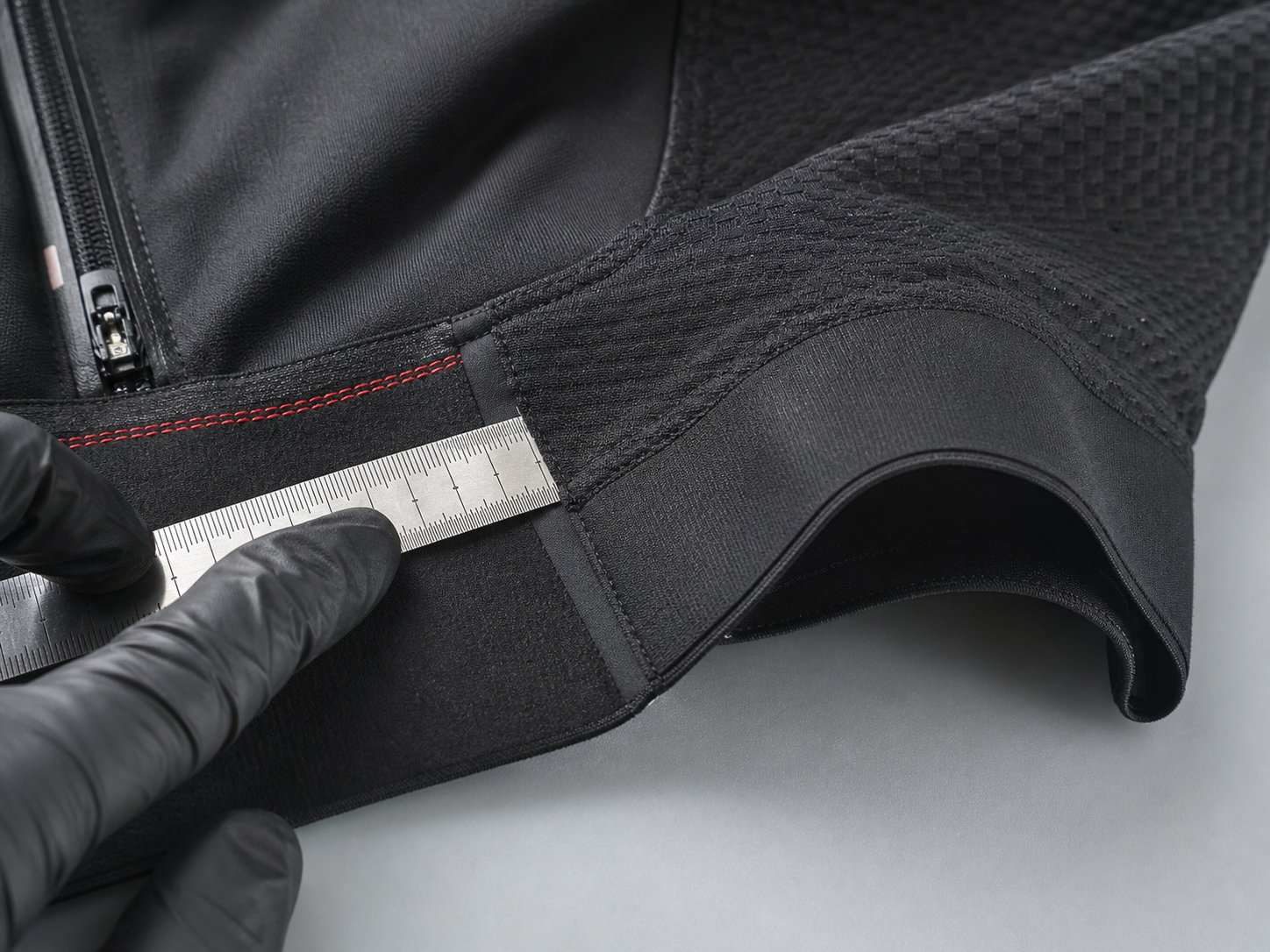
Use a close-up review to identify the construction question that the selected specification and sample must resolve.
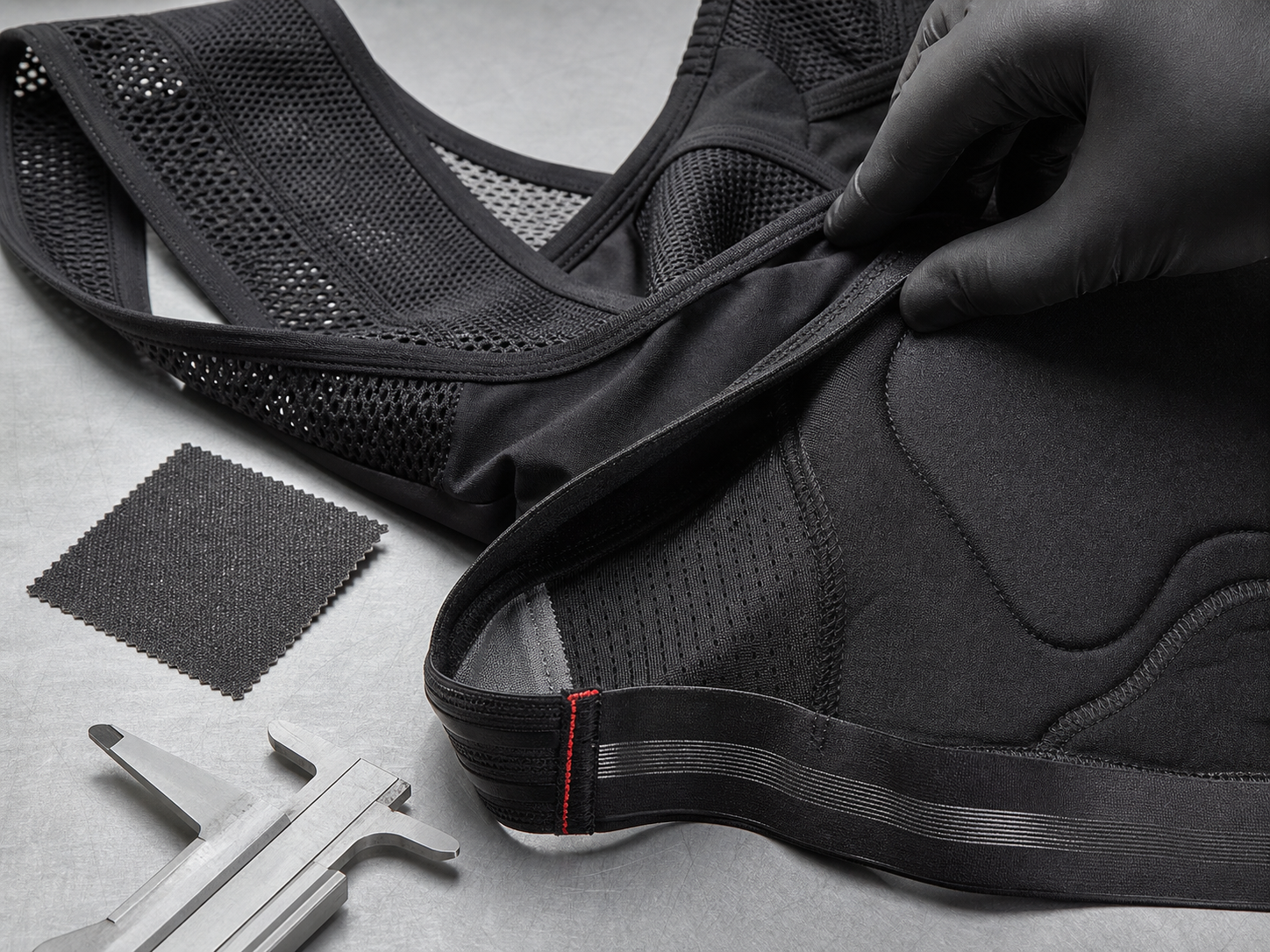
Name the representative riders and the exact material, construction, or fit risk that a physical sample needs to answer.
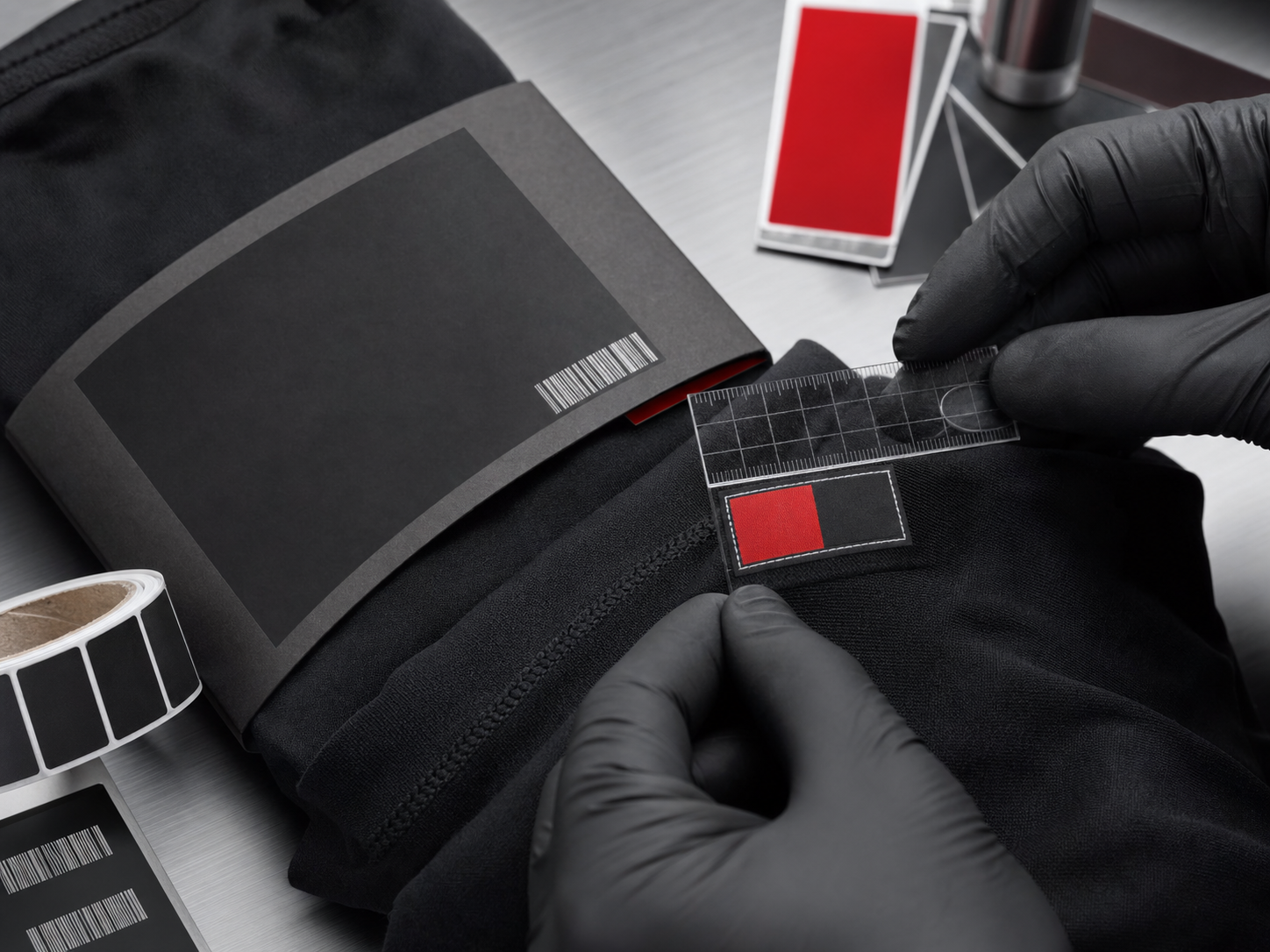
Confirm intended recipients, artwork hierarchy, size grouping, packing method, and the record needed for reorders.
Buying routes
The operating model changes the required brief, approval owner, packing method, delivery responsibility, and reorder record.
For: Buyers comparing product roles. First decision: rider, use, fit and sizing plan.
Compare all products Team kitsFor: Clubs and teams. First decision: core kit, representative riders, approver, and ordering method.
Plan a team kit Wholesale and tradeFor: Retail and trade buyers. First decision: channel, opening range, size curve, packing, and reorder plan.
Plan a trade range Private label / OEMFor: Cycling brands and retailers. First decision: range, brand assets, labels, samples, and approval owners.
Plan a private-label range
Project control record
Owner: buyer. Products, estimated quantities, destination, required in-hand date, artwork status, and open decisions.
Inputs: quantity basis, sample route, required date, payment, packing, shipping basis, and responsibilities.
Owners: buyer and supplier. Selected product, artwork, quantities, accepted changes, and release reference.
Decision: reuse the approved reference, then reconfirm current materials, availability, price, and timing.
Illustrative images do not establish factory ownership, certification, test results, customer outcomes, or product-specific performance. Ask for the applicable product document or evidence when it is relevant to your project.
Request a custom quoteBuyer resources
Start with one document. A buyer does not need to complete every worksheet before opening a conversation.
These worksheets organize buyer questions. They are not product specifications, certifications, quotations, or evidence of factory ownership.
Journal / Buyer research
Read how product evidence, commercial discipline, brand positioning, and controlled buyer briefs affect international B2B cycling-apparel projects.
July 2026
How DEER RACING DESIGN approaches B2B cycling apparel projects, who the site serves, what the project scope can include and which facts remain quote-specific.
Read the buyer note
July 2026
What separates a conventional production supplier from a brand-ready OEM partner: controlled briefs, product decisions, artwork, samples, commercial clarity and reorder records.
Read the buyer note
July 2026
A practical framework for turning a China-based cycling apparel offer into a buyer-ready international proposition, from product definition and proof to ordering and reorders.
Read the buyer note
Project RFQ
A work email and a short question are enough to begin. Add the selected product, estimated quantity, destination, artwork status, sample need, and required in-hand date when known.
The quote confirms product options, quantities, price, payment terms, packing, and schedule assumptions for the selected project. Prefer email? deercruise@gmail.com.